One hundred years ago, Labor Day was a big deal in Olympia. Thousands of folks gathered every year for huge community celebrations. But as the decades rolled on, these public spectacles vanished.
If we look at the history of Olympia’s picnics, the bitter political fights that nearly tore them apart, and how places like Tenino did things differently, we can see why Labor Day shifted. It turned from a bold display of worker power into a long weekend for relaxing. Looking back at this history shows us why year-round, local community organizing apparently still matters today.
During the 1930s, Labor Day in Olympia was a major event. These gatherings gave workers a chance to blow off steam while showing solidarity. At the 1936 picnic at Columbus Park on Black Lake, local timber unions put on a real show. Crowds gathered to watch intense logging contests like tree falling, log bucking, and highline work. It was fun, but it also put the community’s hard daily work on full display.
And even when political drama flared up, huge crowds still showed up. In September 1937, despite boycotts and union threats, more than 6,500 people gathered at Millersylvania State Park. Families enjoyed sports, free coffee, and over 2,000 ice cream cones. These picnics were deeply rooted in everyday life for local working families.
That massive turnout in 1937 happened right in the middle of a national feud within organized labor. Olympia’s timber industry felt the heat directly. The fight set the traditional American Federation of Labor (AFL) against the newer, industry-wide Committee for Industrial Organization (CIO). In July 1937, local timber workers broke away from the AFL to join the CIO’s new International Woodworkers of America (IWA), setting up their regional headquarters in Olympia.
Because the Olympia Central Labor Council held an AFL charter, national leaders told them to kick out the new CIO group. But local leaders hesitated because everyone worked together in the same town. Things boiled over in September 1937 when the council invited Harold Pritchett, the outspoken president of the IWA, to speak at the Millersylvania picnic. Conservative AFL unions boycotted the event in protest, and national AFL bosses temporarily suspended the local council’s charter. Soon after, AFL drivers began refusing to haul timber stamped with CIO logos.
This bitter argument stopped abruptly in 1938 when a bigger threat appeared. Opponents introduced State Initiative 130, a ballot measure designed to strictly limit union power. Realizing they could both lose everything, rival AFL and CIO groups set aside their differences to fight the bill together. They defeated the measure in November 1938, turning that year’s Labor Day into a unified political push. This teamwork built lasting ties through the United Labor Lobby, eventually leading to a full merger in 1957 under the Washington State Labor Council.
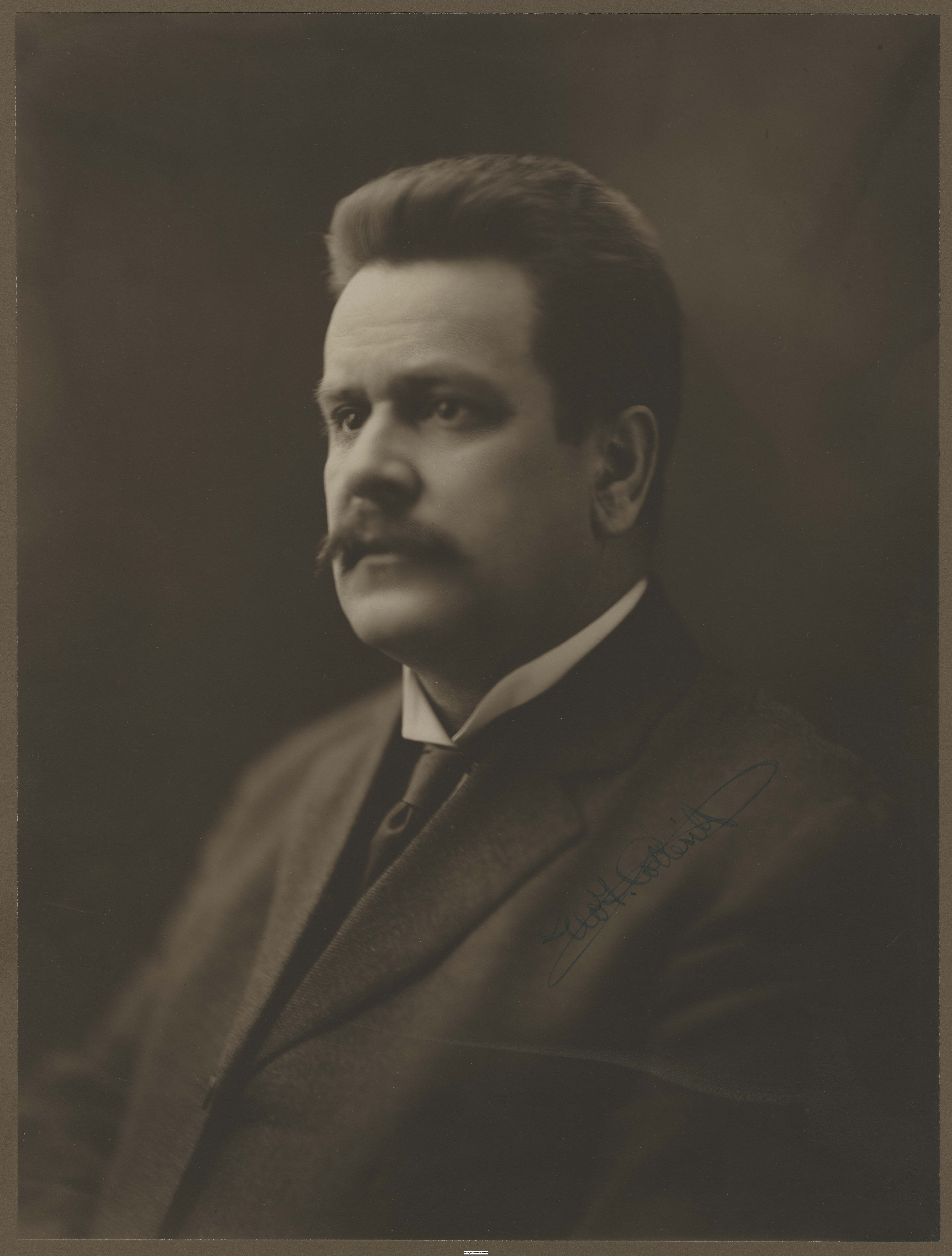
Looking back even further to Labor Day 1918, the celebration was even larger. The day kicked off at 10 in the morning with a parade starting at the corner of Seventh and Adams, featuring union members marching with banners, music, and floats through the city streets to the Labor Hall on Capitol. By noon, the crowds gathered at Priest Point Park for a basket lunch with free hot coffee, followed by a patriotic address by George F. Cotterill, the former progressive Mayor of Seattle. The afternoon included a jitney dance at the chalet and a variety of lively athletic contests, from a spike-driving competition for women to a hat-trimming contest for men, with winners taking home prizes in Thrift Stamps. The celebration capped off late into the night with the annual ball at the Tumwater Clubhouse, showing just how deeply these events were woven into the social fabric of the town.
Even though the AFL and CIO united after World War II, big public Labor Day events began to fade. Back in the late nineteenth and early twentieth centuries, workers marched through city streets to demand eight-hour workdays and safer conditions. Today, those giant parades have mostly disappeared across North America. Instead, we get backyard barbecues, quiet trips to the lake, and retail sales.
This cultural shift happened for a few reasons (most clear in hindsight):
One, there are just fewer union members. In the mid-twentieth century, about 1 in 3 American workers belonged to a union. Over time, manufacturing jobs moved, economic patterns shifted, and private-sector union membership fell below 6%. Without dense concentrations of organized workers in urban centers, local councils lost the funds and volunteers needed to build floats, hire bands, and run citywide events.
Car-based suburban life changed things. In a way, early union victories changed how people spent their time. The 40-hour workweek, paid time off, and safety rules became standard. As post-war workers earned steady wages and moved to suburban neighborhoods, social life centered around homes and yards. The long weekend became a time to enjoy leisure, which seems to be what workers had fought for all along.
And during the Cold War era, unions faced political pressure to tone down working-class speeches. Speeches became formal and routine. As the activist energy cooled, public interest in listening to hours of speeches quickly dropped.
In Tenino, their Labor Day event stretched out longer, but it is an open question whether it was just a precursor to the leisure version of Labor Day. Their celebration was always more of a town festival than a union rally. Started in 1923 by the local Eagles, the Tenino Labor Day Celebration packed in parades, speeches, sports, a 36-piece military band, boxing matches, and street dances. By the 1940s and 1950s, it felt like an annual homecoming, complete with carnivals, clam bakes, motorcycle stunts, and logging shows.
Tenino’s weekend stood apart from Olympia’s events in a few key ways.
First, local clubs like the Eagles and later the Lions Club organized the event, rather than trade unions. Also, residents saw it as a social weekend to catch up with old friends and former neighbors. The schedule featured contests for a Labor Day Queen, thrill shows, and local baseball games. This is more Lakefair than Labor rally.
Even though loggers competed in skill contests, I couldn’t find any evidence of union organizing or political campaigning in Tenino. The event ran until 1967, when the Eagles stopped hosting it. In 1968, Mayor Kenneth Hedden started Oregon Trail Days in late July. Focused on local pioneer history with fiddling and traditional crafts, that new festival replaced the old celebration and continues today.
Looking back, there isn’t one simple reason why both the Olympia labor picnics and the Tenino parade stopped. Instead, they matched broader national trends. Television, spread-out suburban neighborhoods, declining union membership, and commercialized holidays all played a part.
Old newspapers only tell us so much. While we can map out big economic changes, we miss the personal stories and local debates that ended these events. The real reasons why the Tenino parade faded in the late 1960s live in the memories of the people who were there. To get the full picture, we have to talk to people and gather lived experiences that official records leave out.
The shift of Labor Day from a big public rally to a private weekend of rest shows how people gradually pulled back from public life. If we want to reconnect with our communities, we need local, year-round effort that brings people together in person.
I started my public and political life leading up to the 2004 presidential election and the Democratic primary. I first attended meetings for Howard Dean, and my official start in politics was the 2004 caucus, where I was an undeclared alternate candidate (because Dean had already imploded by then). I liked Dean not necessarily for his anti-Iraq War stance (seemed like a no-brainer) but for the organizational theory behind his candidacy. The joint in-real-life and online connection really mattered to me.
I enjoyed the idea of caucuses, of neighbors getting together in real life. I put a lot of time and energy into ideas around civic engagement, libraries and how public life could be reshaped and made purposeful in the internet age.
And there was a lot of energy and thinking in this. So when I moved from the Dean meetups to actual Democratic Party meetings, I started working around the edges to bring that organizing ideal into the party. At the time I started engaging in party politics, it seemed too focused on campaigns and not enough on organizing between elections.
The Blue Tiger Democrats was an idea that was born on the East Coast and in the Midwest. The big idea was to turn the Democratic Party back into an engine of civic engagement, and not just engage in electoral politics. I was excited, and my main effort was to broaden the membership of the local Democratic Party so you didn’t have to be a PCO to be involved. But with kids and work, my involvement faded. Blue Tigers organized ongoing community service projects like food drives and highway cleanups, building trust through regular local work. But as far as I can tell, the movement largely faded.
This interview on the Democratic Socialists of America rhymed heavily with what I thought Blue Tigers could have evolved into. Obviously, Blue Tigers were more big-tent Democrats and DSA is not, but the fact that the DSA works through active local chapters with volunteers plugged directly into ongoing housing, labor, and community issues seems important.
The best version of DSA functions as a durable, membership-driven movement party that operates far beyond the electoral calendar by integrating continuous, on-the-ground activism. Rather than acting strictly as a traditional party faction or a transient social movement, the organization attempts to build deep civic trust and support broader movements between election cycles.
Yes, this is a far cry from a day-long Labor Day event attended by thousands, but it is a small shoot of activity that isn’t necessarily just asking for votes or direct action.
Moving away from glossy, high-budget media and expanding hands-on local organizing to the social organizing that builds human connection can help refresh our communities. Whether it’s through labor unions, mutual aid projects, or neighborhood groups, working together locally helps us turn quiet routines back into meaningful community connections.


Leave a Reply